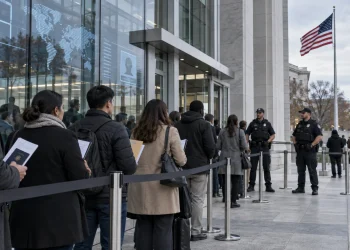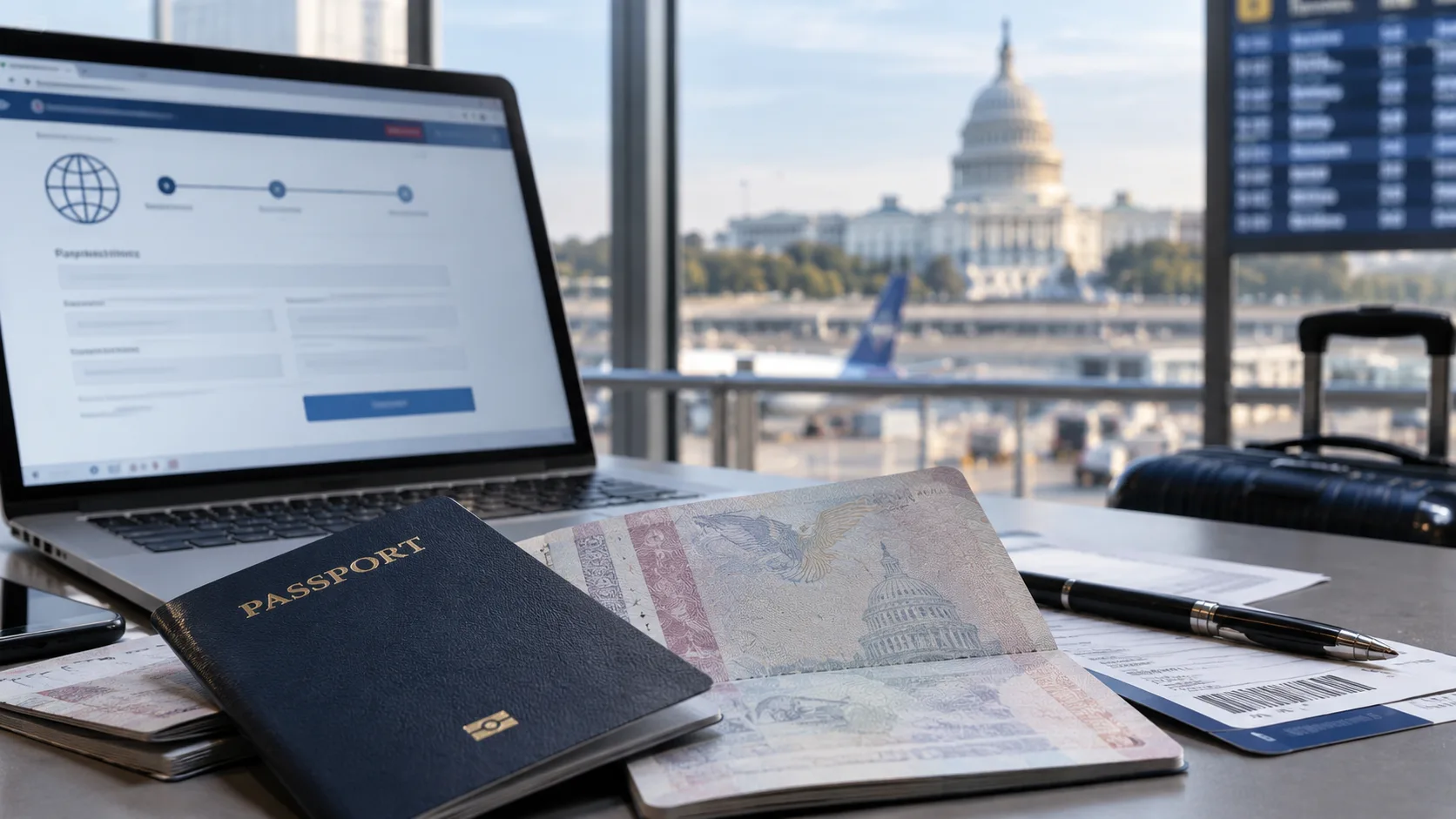
The United States has introduced several major immigration-policy changes affecting visa applicants, foreign nationals, employers, families, and immigration representatives worldwide. The measures include expanded visa screening and revocations, restrictions affecting immigrant-visa applicants from certain countries, and new authority for U.S. Citizenship and Immigration Services to require electronic filing for eligible immigration forms.
The changes do not represent a complete pause on every U.S. visa worldwide. In January 2026, the Department of State paused immigrant-visa issuance for nationals of 75 designated countries while reviewing public-charge screening procedures. The restriction focused on immigrant visas and did not automatically apply to every temporary visitor, student, or employment visa. A federal court later set aside the blanket suspension, creating uncertainty about how the policy would be applied and whether the government would pursue further legal action. Applicants should verify current instructions with the Department of State and the U.S. embassy or consulate handling their cases.
Visa enforcement has also increased significantly. In August 2026, the State Department reported that more than 175,000 visas had been revoked under the administration’s expanded enforcement efforts. Officials said the actions involved visa violations, criminal conduct, national-security concerns, public-safety issues, and other findings identified through continuous screening. Revocation may prevent a person from using an existing visa, but its effect on immigration status can depend on whether the individual is outside or already inside the United States and on the facts of the case. Reuters reported the State Department’s revocation figures and stated reasons.
Social-media activity, law-enforcement records, immigration history, and other available information may now receive greater attention during visa reviews. Supporters argue that stronger screening protects national security and helps identify people who violate visa requirements. Critics have raised concerns about privacy, freedom of expression, transparency, due process, and the possibility that automated or incomplete information could affect legitimate travelers.
The federal government is also moving immigration processing toward digital channels. An interim final rule effective August 11, 2026, authorizes USCIS to require electronic filing for certain benefit requests after the applicable form has been available online for at least 180 days. However, the rule itself did not immediately make every immigration form online-only. USCIS must announce which forms and applicant categories are subject to mandatory electronic filing, and a waiver process is available for people who cannot reasonably file online. Details are available in the Federal Register’s mandatory electronic-filing rule and the USCIS filing alert.
The transition could make submissions faster, reduce incomplete applications, provide electronic payment options, and allow applicants to monitor cases through online accounts. It may also create challenges for individuals with limited internet access, low digital literacy, language barriers, disabilities, or difficulty uploading documents. Applicants should confirm whether a specific form must be filed online before submitting it, because USCIS may reject an unauthorized paper filing once an electronic-filing mandate applies.
Employers, universities, immigration attorneys, sponsoring family members, and foreign nationals should carefully review official notices before filing applications or making travel plans. They should retain copies of submissions, monitor online accounts, respond promptly to government requests, and avoid relying only on social-media reports or general summaries. A visa does not guarantee admission at a U.S. port of entry, and policy changes may affect consular processing, travel eligibility, documentation, or case timelines differently.
Together, these actions demonstrate a broader shift toward tighter screening, greater digital processing, and more active review of previously issued visas. Because court decisions and agency guidance can quickly change how these policies operate, affected individuals should use current government sources and obtain qualified legal advice for case-specific questions.